Ozempic constipation foods: what to eat to get things moving
If Ozempic has slowed your digestion, the fastest food fixes are soluble fiber (oats, chia, ground flax, beans), plenty of water, and a daily serving of natural laxative fruits like kiwi, prunes, or pears. Constipation is one of the most common Ozempic complaints because the medication slows how fast food leaves your stomach, and when you also eat less, there is simply less bulk and fluid moving through your gut.
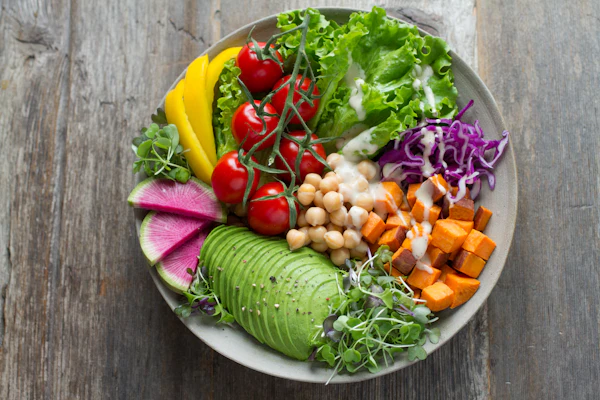
Soluble fiber is the part that matters most here. It absorbs water and forms a soft gel that keeps stool moving instead of drying out. Good sources are oats, chia seeds, ground flaxseed, lentils, black beans, apples with the skin, and sweet potatoes. A practical target is one fiber-rich food at every meal, for example oatmeal at breakfast, beans or lentils at lunch, and a side of roasted sweet potato at dinner. Ramp up slowly over a week or two, because adding a lot of fiber overnight can trigger bloating and gas while your gut adjusts.
Water is the other half of the equation and the part people skip. Fiber without enough fluid can actually make constipation worse, since the fiber has nothing to absorb. Aim for steady sips through the day rather than chugging at meals, which can crowd an already-slow stomach and make nausea worse. A simple rule is to keep a bottle with you and finish it twice between waking and dinner. Warm liquids in the morning, like coffee or warm water with lemon, can also help trigger the urge to go.
A few specific foods have real evidence behind them. Kiwis are one of the best studied, and two green kiwis a day improved bowel regularity in clinical trials. Prunes and prune juice work through both fiber and natural sorbitol. Pears, berries, and citrus all add soluble fiber plus fluid. Fermented foods like plain yogurt, kefir, and sauerkraut feed the gut bacteria that keep things regular. Magnesium-rich foods such as pumpkin seeds, spinach, and almonds can gently loosen stool too.
Just as useful is knowing what backs you up. Low-fiber processed foods like white bread, crackers, chips, and most fast food give you almost nothing to move through the gut. Cheese and large amounts of red meat tend to slow things further. These are not foods you have to ban, but on a constipated day they should not be the whole plate. Pair them with a fiber source and a glass of water instead of eating them alone.
If diet changes are not enough after a week, talk to your prescriber before reaching for stimulant laxatives every day. Gentle options many doctors suggest first are a fiber supplement like psyllium, an osmotic like magnesium citrate, or a stool softener. Light daily movement, even a 10-minute walk after meals, helps your gut muscles contract. Constipation that comes with severe pain, vomiting, or no bowel movement for several days is a reason to call your doctor, not wait it out.
Staying ahead of constipation is much easier when you can see your fiber and water at a glance. With Mello you snap a photo of each meal and get an instant breakdown of fiber, protein, and calories, so you know whether you actually hit your fiber target instead of guessing. Mello flags how GLP-1 friendly each meal is and lets you log your Ozempic dose and water alongside your food, so you can spot the pattern between low-fiber days and slow days. Download Mello, start your 3-day free trial, and keep your digestion on track from the first week.
Ready to put this into practice?
Mello is the companion app for your GLP-1 journey. Snap your food, track your dose, log symptoms, and watch your progress. Free for 3 days.
Download Mello free